Listed: Top 3 of 2025
Filmmakers, Programmers and Critics Pick This Year’s Most Remarkable Short Films
In a yearly tradition, Talking Shorts invites filmmakers, critics, and programmers to pick their three favourite short films of the year.
No list is ever complete, and every choice feels arbitrary, and yet this publication is, once again, an opportunity to discover and celebrate the art of short films. As is tradition, we invited some of our frequent partners, writers we’ve commissioned, and filmmakers we’ve covered in the past year to name their three favourite (newly released) short films of the year.
Each list remains the choice of the individuals who responded, and it (and the motivations therein) does not necessarily reflect that of the organisation(s) they work for. We want to express our gratitude to everybody who participated. Some of the motivations have been edited for spelling and clarity. Enjoy reading and discovering…
Jonathan Ali, programmer
United Kingdom
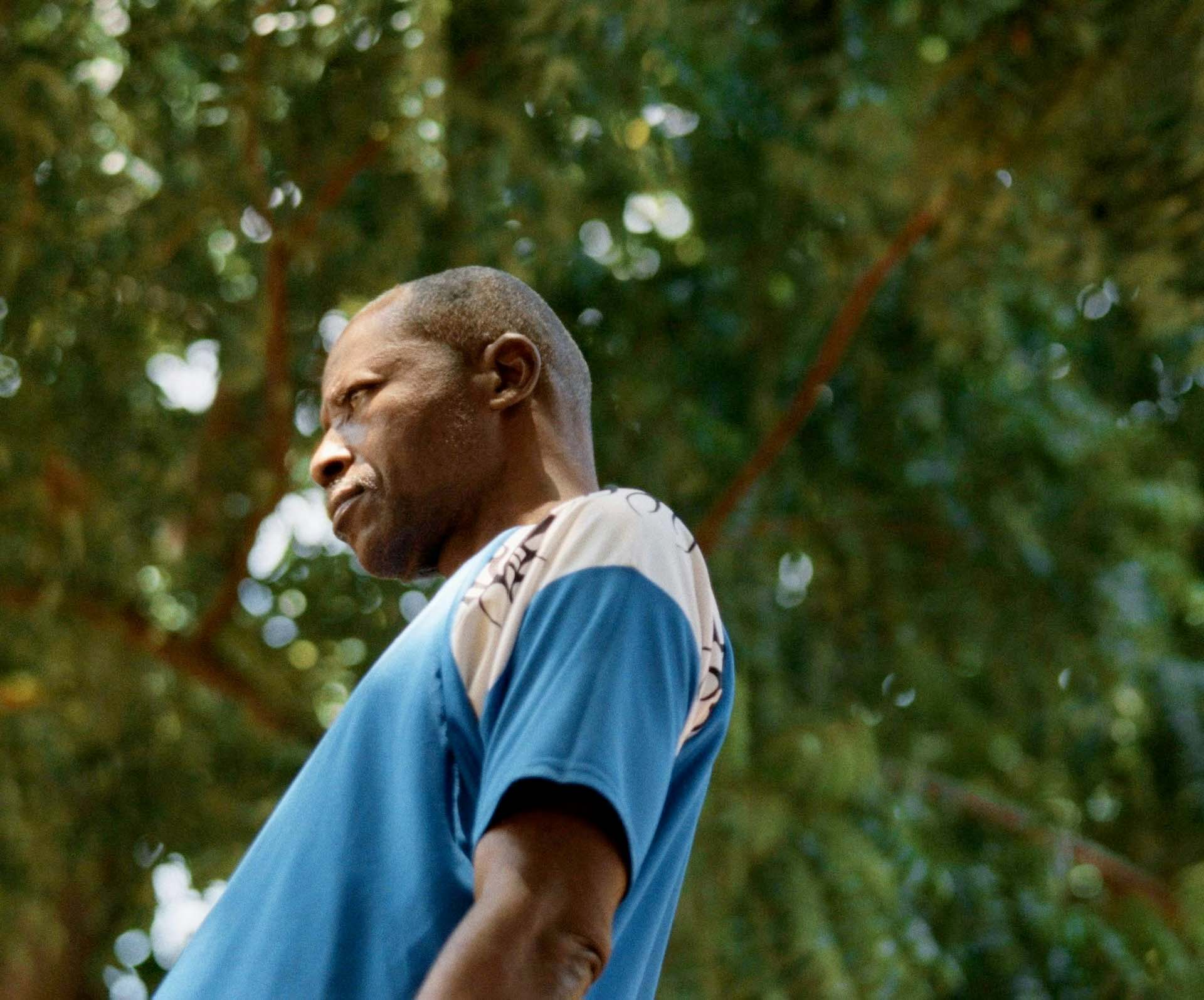
◦ Blue Heart (Coeur bleu) by Samuel Suffren (Haiti, France – 2025, 14’): “How can I tell you that the borders have betrayed us?”
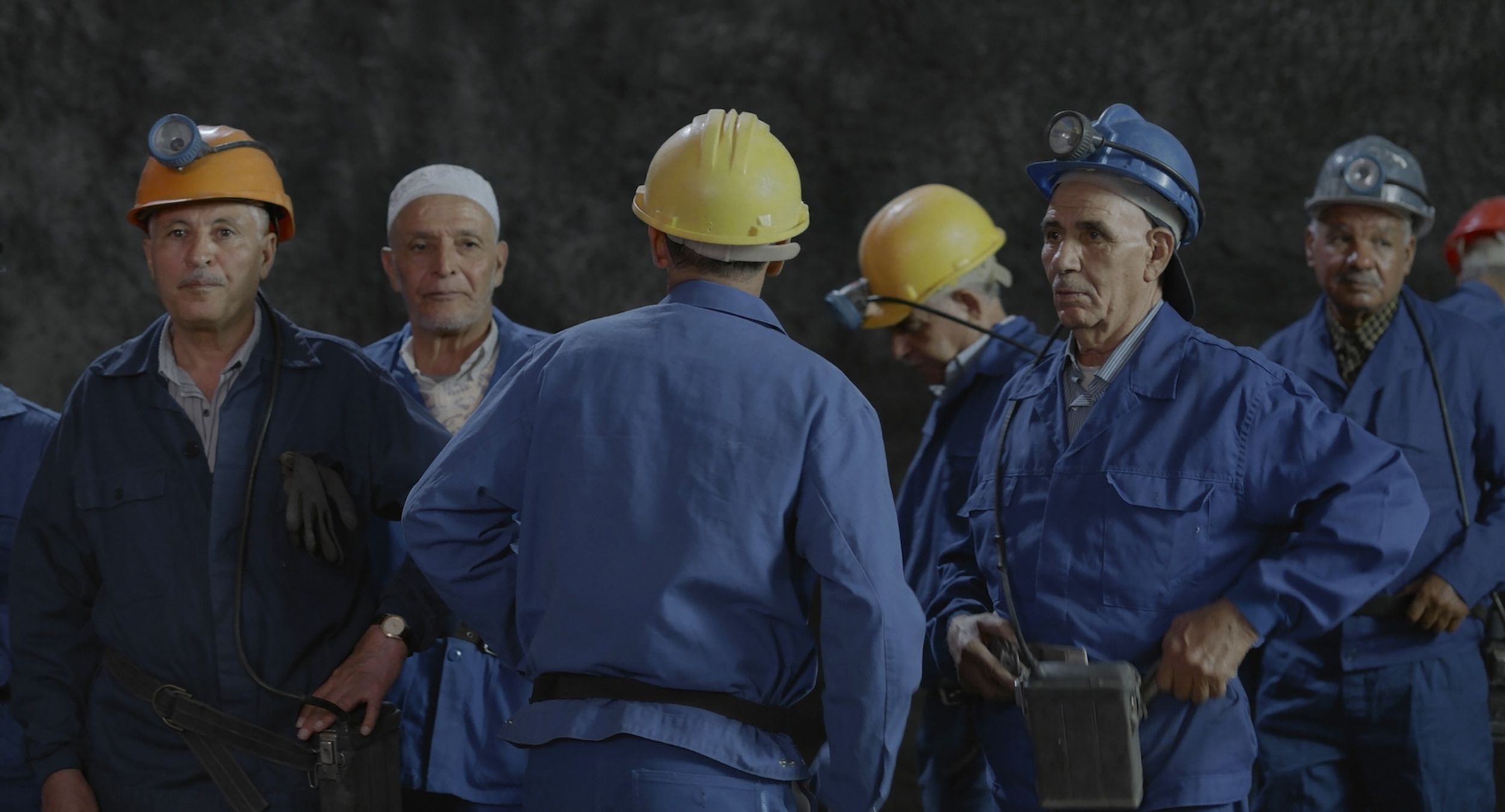
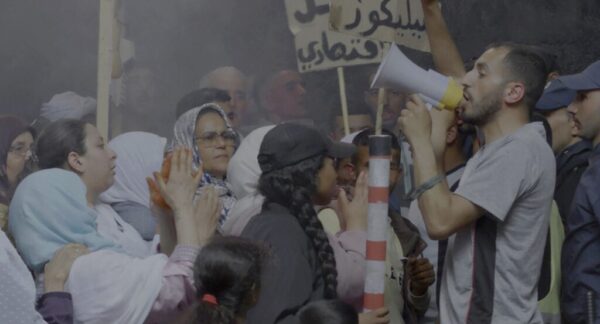
◦ L’mina (المينة) by Randa Maroufi (Morocco, France, Italy, Qatar – 2025, 26’): An inspiringly collaborative tribute to labour.
◦ Okay Keskidee! Let Me See Inside by Rhea Storr (UK – 2025, 20’): A searching, galvanizing essayistic tribute to communal Caribbean spaces in London, and the histories of organising and activism these spaces contain.
Jason Anderson, programmer Aspen Shortsfest, Toronto International Film Festival (TIFF), Macau International Short Film Festival
Canada
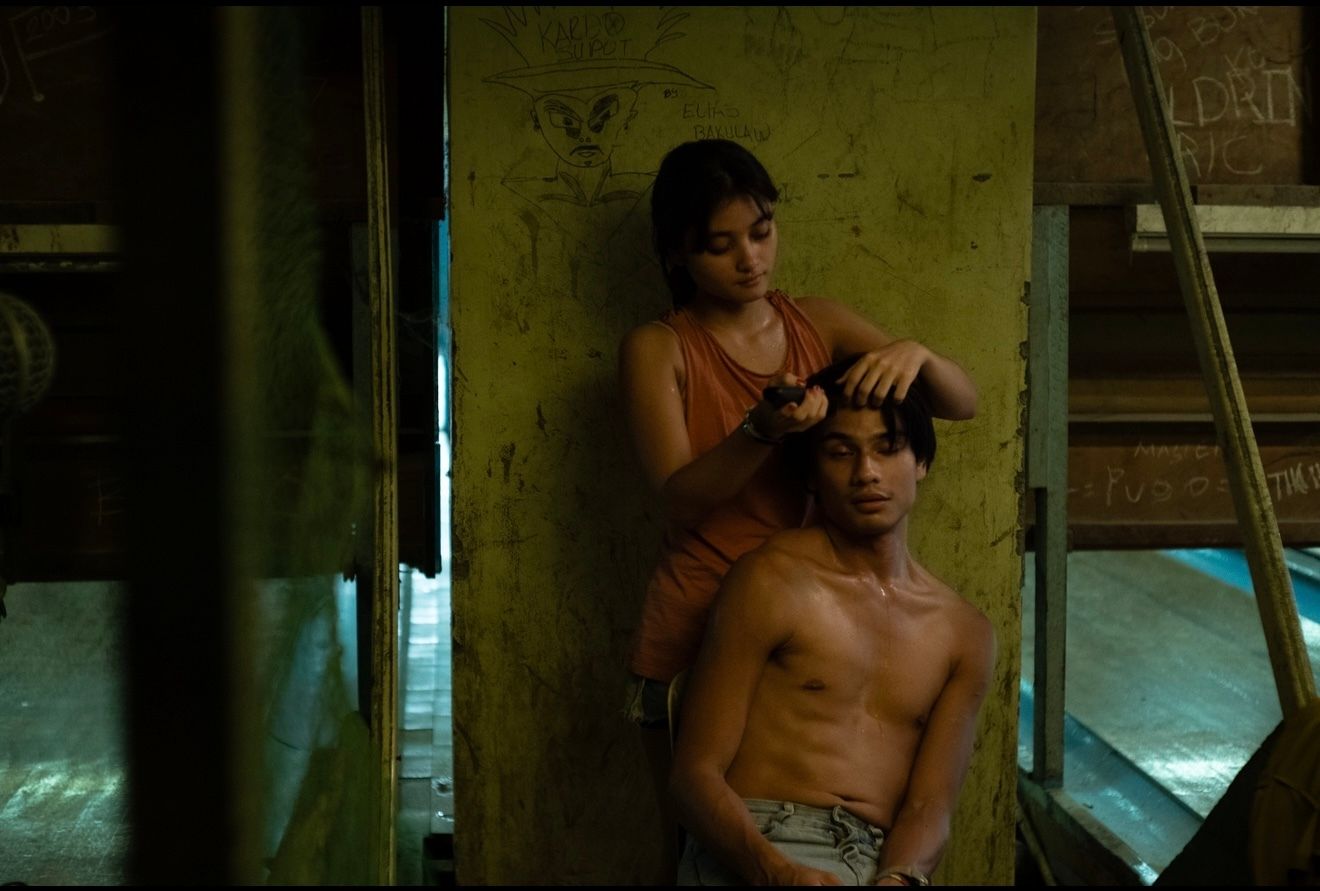
◦ Agapito by Arvin Belarmino & Kyla Romero (Philippines – 2025, 15’): It combines two of the best things in the world—bowling alleys and dance routines—in a manner that’s continually surprising, ingenious, and warm-hearted.
◦ A Bear Remembers by Linden Feng & Hannah Palumbo (UK – 2025, 20’): A crafty exercise in hauntology that boasts a Ghibli-sized capacity for wonder—beautifully textured and deeply felt.
◦ We Were the Scenery by Christopher Robert Radcliff (USA – 2025, 14’): Always appreciate a reminder that the peripheries of a film frame may contain life stories that are richer and greater than whatever may occupy the centre.
Simone Bardoni, festival director Concorto Film Festival
Italy
◦ Air Horse One by Lasse Linder (Switzerland, Belgium – 2025, 21’): The boredom of being a star, the suffering of being transported all over the world, the lack of freedom. A star racehorse and its everyday life. Unforgettable.
◦ Water Girl (Fille de l’eau) by Sandra Desmazières (France – 2025, 15’): A desire and the urge to fulfill it. A dreamlike journey with open eyes. Animated cinema that carries you far away, through the mystery of things. Astonishing.
◦ Agapito by Arvin Belarmino & Kyle Romero (Philippines, France – 2025, 15’): A kind of cinema that recalls or resembles no other. After the roosters and dances of Radikals, another surprising tale from the two filmmakers. Something difficult to describe, yet meant simply to be enjoyed.
Arta Barzanji, critic / filmmaker / curator
United Kingdom
◦ Lover, Lovers, Loving, Love by Jodie Mack (USA – 2025, 15’)
◦ Carol & Joy by Nathan Silver (USA – 2025, 39’)
◦ Noli me tangere by Mahda Purmehdi (USA – 2025, 4’)
Călin Boto, associate curator Bucharest International Experimental Film Festival / Head of Shorts ESTE Film Festival
Romania
◦ The Birds Choose the Cards by Basim Magdy (Egypt, Switzerland – 2024, 24’): What a soulful film, re-giving sense to an otherwise overused and emptied, nevertheless beautiful—and essential—idea such as the artist’s responsibility towards the world.
◦ Our Sea by Alle Dicu (France – 2025, 20’): A primitive film in the best sense of the world: primordial, instinctual and speculative, as if a magic lantern again.
◦ Exposé du film annonce du film “Scénario” by Jean-Luc Godard, Fabrice Aragno, Jean-Paul Battaggia, Nicole Brenez (France, Japan – 2024, 36’): Endless.
Their Eyes (Nicolas Gourault, 2025)
Laurence Boyce, Head of Programme (Live Action) PÖFF Shorts / journalist
Estonia
◦ I Saw the Face of God in the Jet Wash by Mark Jenkin (UK – 2025, 17’): Still one of the UK’s—and the world’s—most beguiling filmmakers, Mark Jenkin latest short is a delightful mix of shaggy dog story and insightful delve into the things that can unite us. Perhaps more whimsical than his earlier shorts, there’s an air of John Smith here as the director narrates the 8mm footage he’s taken on his travels with anecdotes that are either true or complete lies.
◦ Glitter Kiss by Augustė Gerikaitė (Lithuania – 2025, 19’): A film I don’t think has got its due, this is a dark and intense focus on an unlikely relationship forged in a violent act. Clever directing and strong acting in a timely story that’s never over insistent.
◦ Something Wild by Zsuzsanna Konrad (Hungary, USA – 2025, 21’): A film that will hopefully make an impact in 2026, this story takes a fairy tale base but mixes it with a hard edged realist aesthetic to make a story of growing up that is endlessly fascinating.
John Canciani, artistic director Internationale Kurzfilmtage Winterthur
Switzerland
◦ Morgenkreis by Basma al-Sharif (Canada – 2025, 20’)
◦ It Lives under the Snow by Igor Smola (Azerbaijan, Singapore – 2025, 16’)
◦ Arguments in Favor of Love by Gabriel Abrantes (Portugal – 2025, 10’)
Eneos Carka, filmmaker
Albania
◦ +10K by Gala Hernández López (France, Spain – 2025, 33’): It is rare to see such an honest portrait of an era. The film speaks to being young in late capitalism whereby network systems have altered our very dreams and imaginaries.
◦ A Hundred-Headed Dragon by Samuel Delgado & Helena Girón (Spain – 2025, 14’): There I go, thinking banana trees were silent.
◦ Beneath Which Rivers Flow by Ali Yahya (Iraq – 2025, 16’): Climate change can break hearts and so does this film. The human-nonhuman rapport that those living in the western world have for the most part forgotten is evoked here through a beautifully-crafted piece short whose images and sounds linger in the back of the mind for a long time.
Yun-hua Chen, associate editor Film International / programmer Berlinale
Germany
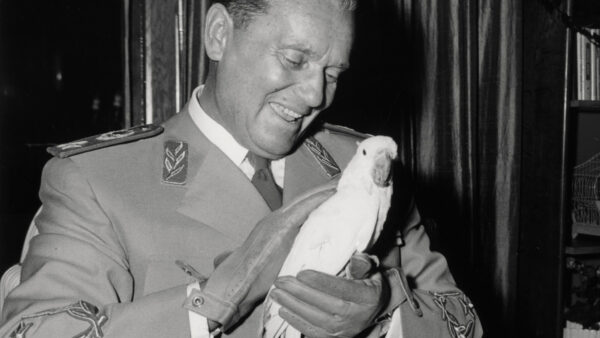
◦ Koki, Ciao by Quenton Miller (The Netherlands – 2025, 11’): History is told through a parrot, whose words and phrases drift in as an unofficial oral history, offering a fascinating, more-than-human perspective.
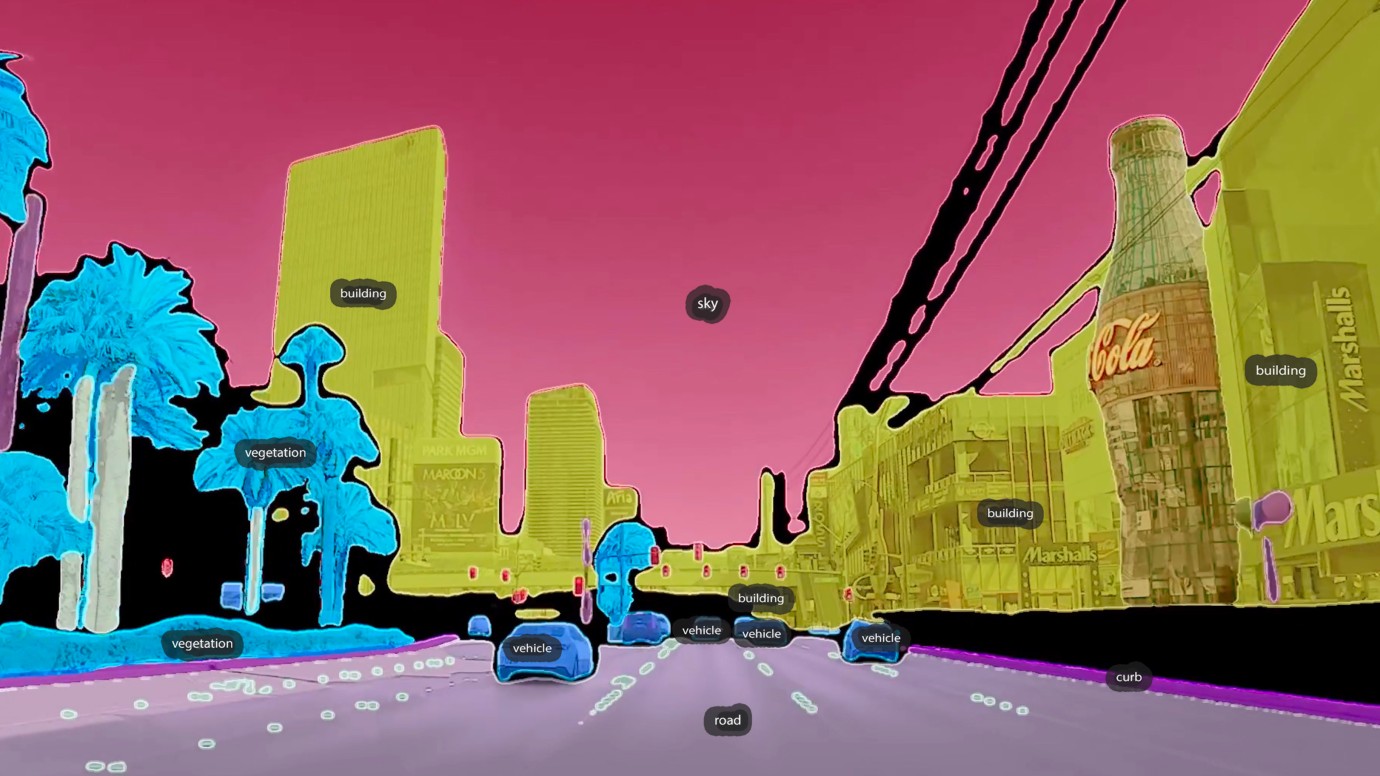
◦ Their Eyes by Nicolas Gourault (France – 2025, 20’): A sobering look, through the eyes behind the machines, at what lies unseen in our world—increasingly facilitated and defined by artificial intelligence, and by the inherent logic of exposing geopolitical disparities.
◦ Fruit Farm (Guochang) by Nana Xu (Germany, China – 2025, 30’): In the filmmaker’s hometown in south-west China—a labour camp, a prison, a farm, and now on the brink of gentrification through a real estate project, the site emerges as a place both transformed and transforming, filled with unforgettable faces etched by history and story. Haunting and heart-warming at once.
Rimante Daugelaite, Head of Vilnius Short Film Festival and Lithuanian Shorts
Lithuania
◦ Prelude to a Supernova by Christos Artemiou (Greece, Cyprus – 2025, 27’): This film offers a distinctive cinematic experience, and it is hard to believe that it is the director’s debut. It draws deeply into the complex world of a young protagonist—a violent, tension-filled world that is difficult even for the audience to escape. The film captivates through the powerful performance of its young lead, an immersive story world, and a strong cinematic language.
◦ Blue Heart by Samuel Suffren (Haïti, France – 2025, 15’): I was melted by the poetic rhythm and atmosphere of this film. It tells a sensitive, subtly crafted story filled with longing and the emotional pain of migration, conveyed through stunning images and landscapes.
◦ Memories Move Like Distant Islands by Saarlotta Virri (Finland – 2025, 29’): While exploring the Finnish wetlands on screen, I contemplated today’s connection to nature and the memories it holds. Praised for its poetic blend of observation and folklore, the film left me pondering the fragility of memory and our place within the natural world.
Miguel Dias, festival director Curtas Vila do Conde
Portugal
◦ Free Drum Kit (Donne batterie) by Carmen Leroi (France – 2025, 25’)
◦ Daria’s Night Flowers (گلهای شب ِدریا) by Maryam Tafakory (Iran, UK, France – 2025, 15’)
◦ God is Shy (Dieu est timide) by Jocelyn Charles (France – 2025, 15’)
© Agapito (Arvin Belarmino & Kyla Romeo, 2025)
Elahe Esmaili, filmmaker
Iran
◦ Two People Exchanging Saliva (Deux personnes échangeant de la salive) by Natalie Musteata & Alex Singh (France, USA – 2024, 36’): So refreshing and engaging, beautifully crafted in writing, performances and audio visuals. A unique watch!
◦ Upshot (مابعد) by Maha Haj (Italy, France – 2024, 34’): Deeply moving, very well-made, it takes you on a journey that stays with you for long and far.
◦ Bad Hostage by Mimi Wilcox (USA – 2024, 39’): Very engaging doc with a deep and thought-provoking story coming from the past but still so relevant to our present. Very well-made, entertaining and fresh.
Ahmad Fauzi, film programmer
Indonesia
◦ Their Eyes by Nicolas Gourault (France – 2025, 20’): I found Their Eyes quietly brilliant in the way it exposes the irony at the heart of AI development. The film follows micro-workers from the Global South whose job is to train self-driving cars to “see” the streets of the Global North. They spend hours doing repetitive, underpaid tasks that literally build the future of mobility, yet they remain invisible within it. Watching this, I kept thinking about how human intelligence is being drained to power artificial intelligence, while the people behind the screens stay disconnected from the benefits of the technology they sustain. It’s a sharp, uncomfortable reflection on digital colonialism that never feels forced. What really stayed with me is the film’s form. The shift between animated interfaces and grounded, almost intimate footage of the workers creates a strong sense of distance: the world the data is meant to serve feels far removed from the lives producing it. I like how the film doesn’t rush or over-explain. It lets the testimonies sit there, with their mix of fatigue, humour, and small acts of resistance. The voiceover feels lived-in and clever, carrying the weight of experience rather than theory, which makes the critique land more quietly but more deeply. For me, Their Eyes is a multi-layered documentary that shows AI as more than just a technical or ethical issue. It’s also about global inequality, techno-capitalism, labour, and who gets to benefit from so-called progress. Instead of flashy dystopian images, the film offers something more unsettling: a close, political intimacy with the people whose labour makes AI possible. And give us questions about what kind of world is being built, and for whom.
◦ When the Blues Goes Marching In (Pengais Mimpi) by Beny Kristia (Indonesia – 2025, 13’): I read When The Blues Goes Marching In as a documentary that deliberately borrows the structure of fiction, drifting in and out of dreams. It finally feels like a real “peringatan darurat” film, one that captures the urgency of recent student protests without trying to explain everything too neatly. What I really loved is the use of the cyanotype technique. The blue isn’t just a visual reference to the movement, it turns the protest footage into something that feels archival, almost like images pulled from another time. It immediately reminded me of every student uprising in Indonesia, creating an unsettling sense of déjà vu, like history looping back on itself. The film is messy in a way that feels honest. Visually and sonically, it sometimes looks like a collective art student project that’s still finding its form, but that rawness is exactly where its power comes from. The poetry, delivered with full emotion, clearly echoes the spirit of Chairil Anwar, one of Indonesia’s literary figures that became a symbol of individualism, resistance and freedom of expression. There’s anger here, but also energy and belief in the act of filming itself. The camera becomes a weapon, a tool to resist, to shout, to remember. It feels like a spiritual protest film, driven by youthful rage and the stubborn will to keep fighting. At the same time, the film is deeply personal. The narration about repetition, about a struggle that already happened to the father’s generation, makes the protest feel inherited, almost unavoidable. That sense of generational anger runs through the whole film, building tension that slowly softens toward the end. I appreciated that shift, how it leaves space for reflection rather than just explosion. Overall, I think this is a strong Indonesian experimental documentary with a clear urgency and a creative approach. It’s not perfect, but it’s powerful, visually compelling, and absolutely feels like a call to action we still need.
◦ This Is Not Your Garden (Este no es tu jardín) by Carlos Velandia & Angélica Restrepo (Colombia – 2025, 13’): This Is Not Your Garden is a deeply textured film, built from 3D scan data and long-term research, and it openly refuses to call itself a film. Instead, it frames itself as a kino-botanical report, and that already sets the tone. Watching it, I felt like I wasn’t being guided through a story but invited into a field of connections. In Deleuze–Guattari terms, it feels rhizomatic, constantly linking semiotic traces, systems of power, scientific processes, and environmental struggle without hierarchy. They are embedded in the form itself. Visually, the film is hypnotic. Nature appears as dots of data floating in a black void, fragile and strangely alive at the same time. It’s easy to lose yourself in the experience, letting the sound and image breathe instead of searching for narrative clarity. This is not a film that rushes or demands attention; it asks for patience and curiosity. I can imagine it won’t work for everyone, but for those willing to slow down, it opens a space for wonder and reflection, showing how far visual language can stretch beyond representation. What stayed with me most is how the film wrestles with responsibility. Rooted in wetlands, páramos, and disappearing forests around Bogotá, it reflects on 500 years of exploitation while speculating on futures shaped by digital preservation and loss. The question it keeps circling is uncomfortable: how do we relate to other beings when we are also the agents of their extinction? By adopting an anti-anthropocentric position, the film lets silenced histories surface beyond human-centered narratives.
Sarah Fensom, writer
USA
◦ It Must Be Because I Decided to Leave by Zhuoyen Chen (USA, China – 2025, 19’): Visually striking 16mm with enormous cinematographical range. Hilarious, poetic, and hot, but not in the obvious way we’re all used to by now. One of my very favourite films of the year regardless of duration.
◦ Dispatch from L.A. by Jessica GZ (USA – 2025, 25’): Engrossing and hilarious character sketch with graceful SOV cinematography. Incredibly astute look at Hollywood and artmaking in general. Holds within it a top tier L.A. Mexican food rec, so a vital watch all around.
◦ Hell of Shadows by Chris Shields (USA – 2025, 4’): Creepy L.A. nocturne exploring light and shadow. Like if Maya Deren slept walked after falling asleep in front of the TV while house-sitting. Across his video and experimental film work, Chris Shields has a knack for using whatever materials and settings are readily at his disposal and turning everyday junk into visual poetry. This shot-on-iPhone uploaded-to-Instagram film lives outside the typical international cinema pipelines and approval processes on purpose—in order to mirror its means of production. One should pay attention if he stumbles onto beauty, which seems to be Shields’s ethos.
Florian Fernandez, Head of SFC | Rendez-vous Industry – Festival de Cannes / programming consultant Festival du nouveau cinéma / associate programmer SXSW, Doc Shorts
France
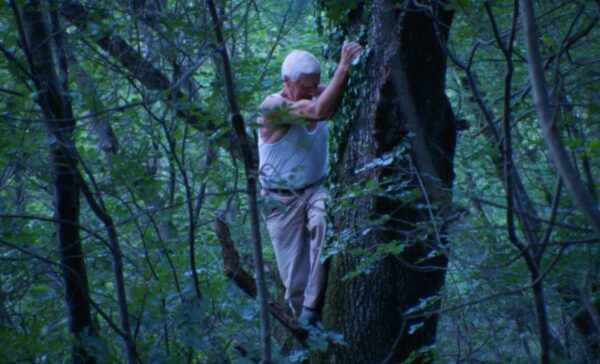
◦ Common Pear by Gregor Božič (Slovenia, UK – 2025, 15’): Deeply rooted in the real world—pointing out personal, environmental and therefore political matters—yet creating its own and unique dystopian tale by blending fiction into documentary, Common Pear is a smooth and honest journey that cares equally about the cinematographic medium and those who inhabit the film. A film freed from boundaries, emancipated from common expectations, blending genres with a powerful, dreamy and skillful visual approach—achieving the goal to give wings to the mind and flight to the imagination while making us even more conscious.
◦ Hyena by Altay Ulan Yang (USA, China – 2025, 21’): A quite bewitching short film as soon as it starts. First guided by voice-over, with a theme clearly stated right from the opening, Hyena yet never fails to be immersive. It feels as if the narration is set within a masculine military camp—something we’ve seen many times before—but here approached with far more poetry and driven by a truly gripping storyline, combined with extremely solid cinematography in black-and-white. Both intimate and resonant, it speaks powerfully about self-assertion, masculine group dynamics, otherness, and being different.
◦ Welcome Home Freckles by Huiju Park (UK, South Korea – 2025, 26’): A very strong documentary work with a very personal topic you can easily connect with even if you don’t know the filmmaker’s/main protagonist’s situation. Through a mastered and delicate cinematography, the camera always keeps a good distance while succeeding to transcribe with sincerity the deep, honest thoughts and dialogues in this Korean family trying to (re)connect past and present, to process and finally understand each other.
Per Fikse, festival director Minimalen Short Film Festival
Norway
◦ The Thief (Anngeerdardardor) by Christoffer Rizvanovic Stenbakken (Denmark, Greenland – 2025, 20’): One of those films that pulls off the feat of being extremely local and specific, while evoking universal moral reflection.
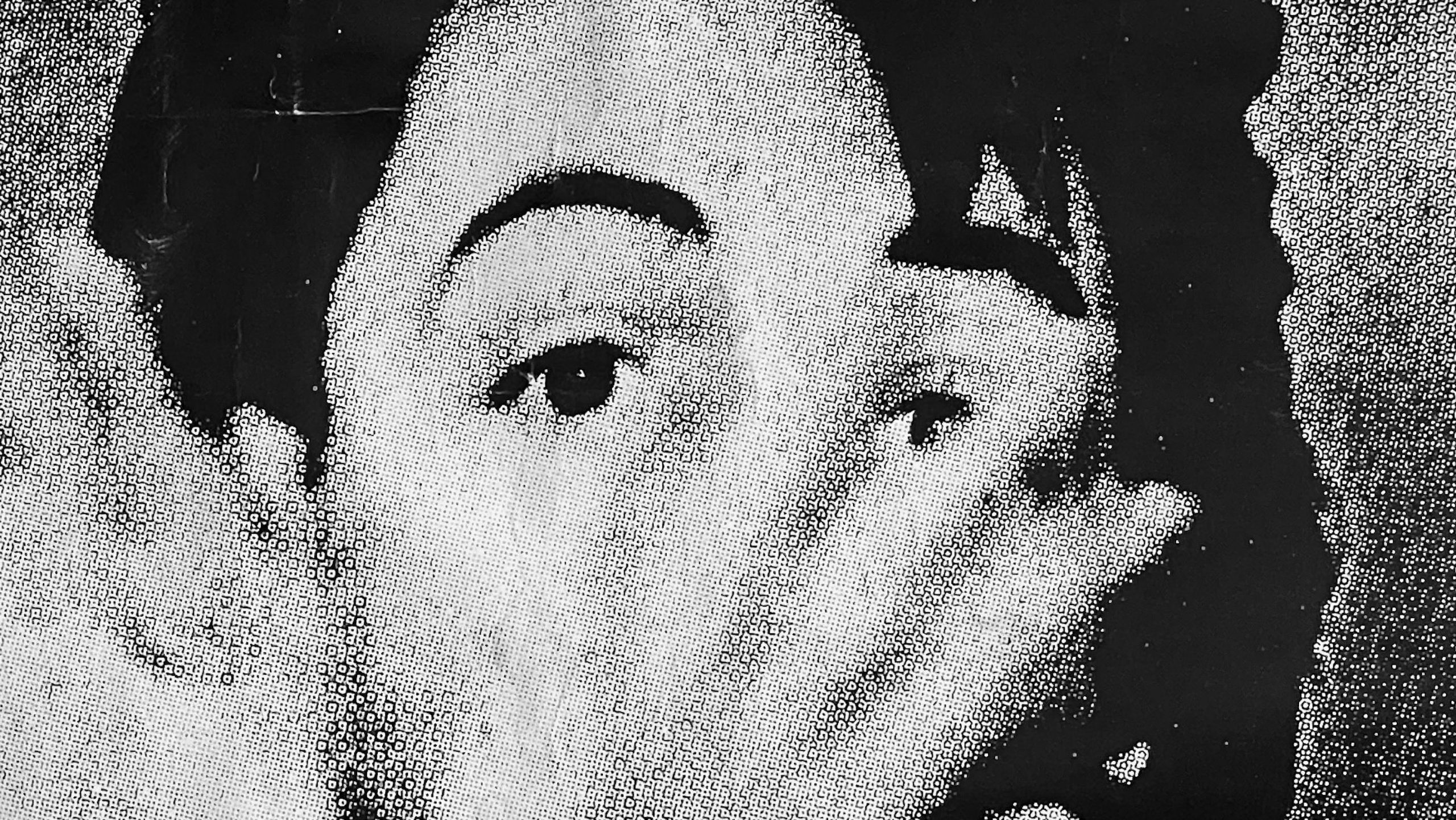
◦ Being John Smith by John Smith (UK – 2024, 27’): Brilliantly using his ordinary name as a starting point for a moving essay on identity, aging, and the state of the world.
◦ Family Sunday (Domingo familiar) by Gerardo del Razo (Mexico – 2025, 16’): A portrait of social resistance among locals in a neighbourhood, staged with great technical sophistication.
Niv Fux, film curator / outgoing festival director Leiden Shorts
The Netherlands
◦ Common Pear by Gregor Božič (Slovenia – 2025, 15’): At first, we are led into darkness, uncertain of what this film asks us. Gradually, a carefully designed, mysterious futuristic dystopian world unfolds. The viewer’s act of investigation echoes that of the narrative itself, weaving together humane testimonies by farmers of what will soon be a lost past. The result is a beautifully shot short film that tackles some of the most urgent and widely discussed topics (i.e. environmentalism) in a highly captivating and original sci-fi form, reflecting how our world is already drifting away from what we once knew it to be.
◦ Before Then (O Ma) by Mengzhu Xue (Germany, China – 2024, 30’): What truths can be uncovered through unfamiliar languages? How do we tell our loved ones the secrets we both feared and longed to share? Can poems redeem us where our everyday words fail? This delicate, slowly unfolding work explores these questions in beautiful and imaginative ways, prompting reflection on what is lost or gained in the space between tradition and intimacy, on the longing for deep human connection, and above all—the eternal desire to be understood.
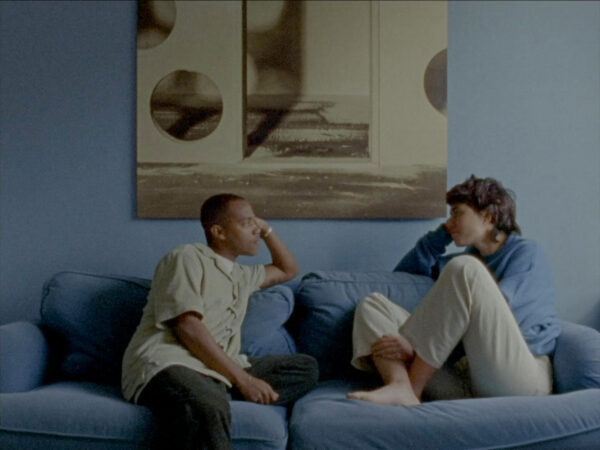
◦ looking she said I forget by Naomi Pacifique (The Netherlands, Switzerland – 2025, 24’): With her transition to a new and foreign city, and a relationship in a vulnerable and transformative state, Lou is confronted with questions of intimacy in all its forms. As its protagonist, the film opens onto a series of open-ended questions. Through a deeply poetic approach, it resists the need to explain or motivate, instead choosing to situate itself in a state of “being-with”, as Lou describes her own preferred experience. The film is also a beautiful example of urban portraiture, capturing not only the city itself (Amsterdam) but the way it can reflect a particular emotional disposition in a way few shorts manage to achieve so effectively.
© happiness (Firat Yücel, 2025)
Patrick Gamble, writer
United Kingdom
◦ Momentum by Nada El Omari (Canada, Palestine – 2025, 19’): In a world where images of Palestinians suffering have been rendered ordinary, Nada El Omari’s Momentum treats filmmaking as an act of custodianship. Structured as a dialogue between El Omari and the footage shot by her father in 2001, during the Second Intifada, the film examines memory, visual testimony and the importance of ensuring these stories remain alive in the collective consciousness.
◦ A Ladder by Scott Barley (UK, Portugal – 2025, 9’): Barley’s films are a powerful reminder that permanence is an illusion. Everything is in flux, and nature always prevails. His latest short is perhaps his most haunting work yet. Through dense, grainy textures and barely visible landscapes, the film transforms obscurity into a provocation; forcing us to look beyond the frame, and to see the world anew.
◦ Relatives of the Luminous Valley (Parientes del Valle Luminoso) by Juan Francisco Rodríguez (Colombia, Germany – 2025, 12’): A film of restless ghosts and rituals of remembrance, Relatives of the Luminous Valley is a magical-realist meditation on grief, depicting a natural world in which past and present, the living and the dead, are bound together in quiet communion.
Oana Ghera, artistic director Bucharest International Experimental Film Festival
Romania
◦ Slet 1988 by Marta Popivoda (Germany, France, Serbia – 2025, 22’): A mesmerising piece that moves between past and present, between the collective utopia and the individual resilience, with the body of dancer Sonja Vukićević both as a guide through these eras and as an archive of turbulent transition between them, each of her movements echoing the scenes of the past that we see in flamboyant, almost otherworldly pink reddish VHS, while the sounds of the present engulf her in the studio.
◦ The Orchards (Al Basateen) by Antoine Chapon (France – 2025, 25’): To see the shiny 3D models of skyscrapers that are meticulously built through the film being turned into the flowers and vegetation that once prevailed in the orchards of a neighbourhood destroyed as a punishment for protesting against Bashar al-Assad’s regime, to give the former residents of the neighbourhood a voice, their grainy video memories a place on screen, reads to me as a manifesto to the hope that in the face of evil and destruction life will prevail again in all its beauty, amidst the suffering and grieving. An act of poetic justice in the form of a beautiful piece of cinema.
◦ Loynes by Dorian Jespers (Belgium, France North, Macedonia, United Kingdom – 2025, 25’): Something of a Kafkaesque nightmare that visually draws on the aesthetics of Flemish painting, this absurd piece of cinema is both wildly entertaining thanks to its dry humour, just as it is disturbingly provocative and unsettling. Curiously enough, if I were to pick a film to encapsulate this first half of the current decade this 19th-century period drama would most probably be the one, a state of never-ending vertigo, like falling in a dream and not being able to awaken, a trial performed on a corpse, a contemplation of the void from a very close margin.
Carmen Gray, programmer Berlinale and New Zealand International Film Festival / journalist
Germany
◦ Inner Blooming Springs (Shinagani gazapkhulebis q’vaviloba) by Tiku Kobiashvili (Georgia – 2025, 43’)
◦ Picking Crew by Tanu Gago (New Zealand – 2025, 12’)
◦ Workers’ Wings (Krahët e punëtoreve) by Ilir Hasanaj (Kosovo – 2024, 19’)
Wouter Jansen, sales agent Square Eyes
Austria
◦ God is Shy (Dieu est timide) by Jocelyn Charles (France – 2025, 15’): Such a thrilling ride seeing this one for the first time.
◦ Lloyd Wong, Unfinished by Lesley Loksi Chan (Canada – 2025, 29’): Not an easy watch, but I found myself thinking of this film for many days after its premiere.
◦ Morgenkreis by Basma al-Sharif (Canada – 2025, 20’): Seemingly simple, but so powerful.
Mathieu Janssen, artistic leader Go Short
The Netherlands
◦ Blue Heart (Coeur bleu) by Samuel Suffren (Haiti, France – 2025, 14’): Visual storytelling at its best.
◦ Eldorado by Anton Bialas (France – 2025, 31’): Resonates just on the merits of cinematic language itself.
◦ Their Eyes by Nicolas Gourault (France – 2025, 20’): Raises profound questions around globalisation, AI and capitalism, through the lens of workers and their numbing labor.
Oisín Kealy, programme manager Glasgow Short Film Festival
United Kingdom
◦ Just Above The Tear Duct on Each Side by Cáit and Éiméar McClay (Ireland – 2025, 20’): Explores 19th and 20th Century psychiatric care in Ireland as (among other things) a technology of expropriation. It is always clear that this is not a work of merely mining the archives for trauma, but of re-humanising those instrumentalised by families, communities and institutions to serve colonial, carceral and capitalist logic.
◦ Dollhouse Elephant by Jenny Jokela (Finland – 2025, 11’): A Freudian pressure cooker of modern co-living boils over in a smear of colours and choral evocations. I thought this highly sensorial short marked an exciting development for an animator I was already a big fan of from their previous work, and was delighted to award it Best Animation as part of the Beirut Shorts jury this year.
◦ L’mina (المينة) by Randa Maroufi (Morocco, France, Italy, Qatar – 2025, 26’): A careful work spun from community testimony, without didacticism we build an image of the economic coercion and overlapping histories of exploitation that have drawn these workers so deep into the dangerous earth. A real achievement, with incredible set design that accentuates the perilous physicality of this labour of extraction.
© Being John Smith (John Smith, 2024)
Nicolas Khabbaz, programme and artistic director Beirut Shorts & Batroun Meditteranean Film Festival
Lebanon
◦ Two People Exchanging Saliva (Deux personnes échangeant de la salive) by Natalie Musteata & Alex Singh (France, USA – 2024, 36’): Through bold absurdity, the film exposes violence and oppression as the ruling forces of its world. In its creative approach, the film expands the horizons of what short films and cinema itself can dare to imagine.
◦ Coyotes by Said Zagha (Palestine, France, Jordan, UK – 2025, 20’): When impunity pushes people beyond endurance, their very nature transforms. The film exposes how domination turns the innocent into agents of their own justice when stripped of choice and abandoned by the complicit world.
◦ Hurikán by Jan Saska (Czech Republic, Bosnia and Herzegovina, Slovakia, France – 2024, 13’): An animated tale of a rough-looking character with a tender heart, helplessly drawn to a femme fatale and a cold beer. A story that mixes vulnerability, romance, irony, and quiet fragility in a stylized world of longing.
Dana Linssen, film critic
The Netherlands
◦ Being John Smith by John Smith (UK – 2024, 27’): Christian Marclay’s The Clock can hardly be called a short film, although waiting fifteen years until I could finally see it in Berlin this year did make it shorter. After all, what is a day compared to 4,579 days? But thanks to The Clock, my path crossed again with the works of John Smith, because just as I took my seat in the Neue Nationalgalerie, the clock from The Girl Chewing Gum (1976) was on display (albeit without the characteristic voiceover: “Now I want the long hand to move at the rate of one revolution every hour, and the short hand to move at the rate of one revolution every twelve hours… fine.”). And of course, John Smith also refers to that film in Being John Smith, because John Smith is not just a name, and the name of a filmmaker, but also a universe. One day, I was following John Smith on the street in Sarajevo, and my companion said to me: “It’s like we’re in a John Smith film.” I often have that feeling. So thank you John Smith for reminding us that it is “all in a name” and that only a John Smith with a bit of irony and loving self-deprication can once again remember us that even a John Smith has to think about the bigger picture, like a John Smith is to the world what common people are to Gaza. Times matter.
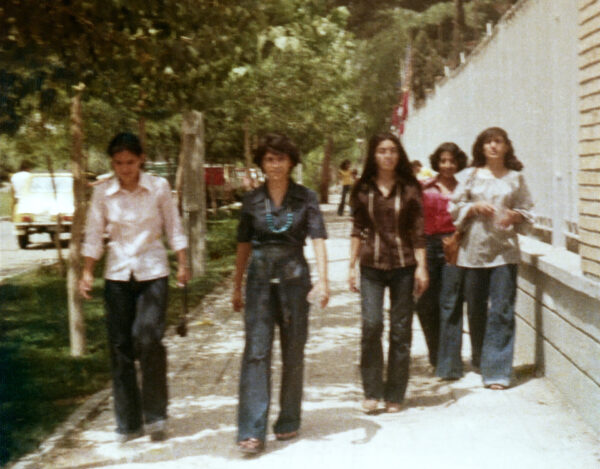
◦ City of Poets by Sara Raja (The Netherlands – 2024, 22’): Sometimes it seems as if only women live in Sara Rajaei’s City of Poets, a metaphorical city she constructed from memories and personal (photo) archives, where all the streets were named after poets. But as happens in Borgesian fairy tales like these, one day the poets ran out of names as more and more streets were added, due to the need to build more and more houses for war refugees. Gradually, all the streets were renamed after martyrs. The careful montage of mostly still images, followed by a phrase sound and a fragment of movement, sets the radar of memory in motion. A film like a woven fabric. Opaque. But also ominous. For there are too many cities where the names of poets disappear and are forgotten every day.
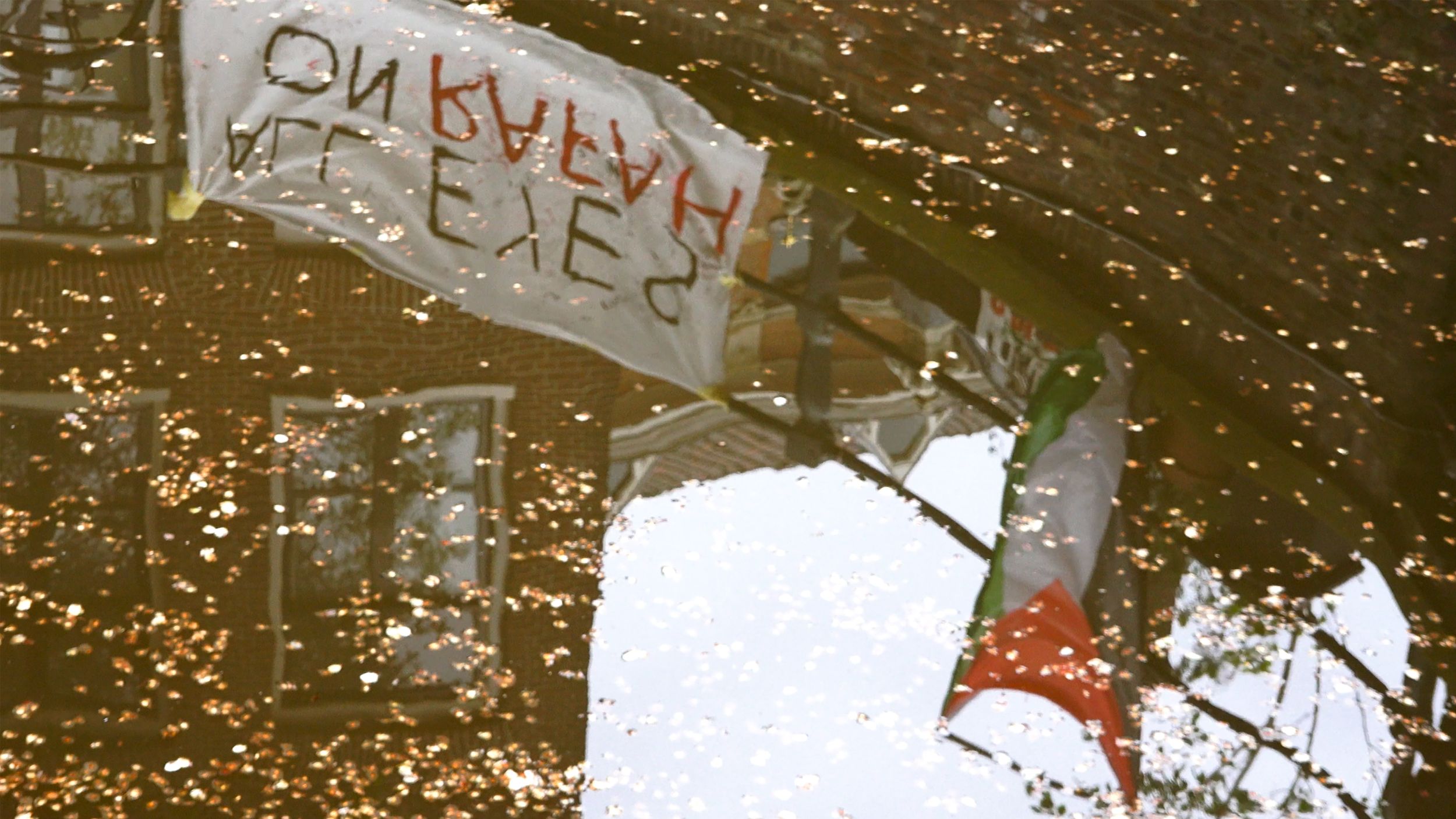
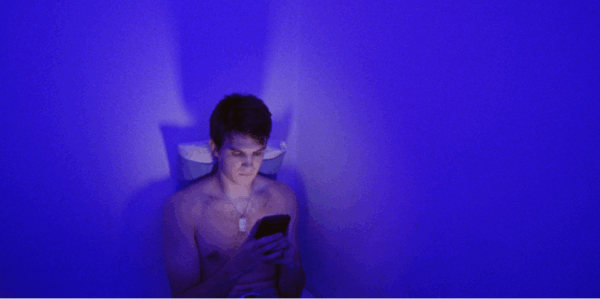
◦ happiness by Firat Yücel (The Netherlands, Turkey – 2025, 18’): A disturbing desktop documentary about what researchers call activism fatigue: physical and emotional exhaustion and a sense of futility that causes people who take to the streets to denounce injustice in the world to lose interest and become cynical. Especially at a time when democratic rights are being eroded—including the right to demonstrate—and online (disinformation) campaigns are making people fearful and apathetic, this film is a welcome wake-up call to ask how we, as humans and other living beings and entities on this planet, can once again encounter each other with kindness and wonder. In doing so, the film also questions its own resources (online resources, the blue light of screens). Is it possible to disconnect to connect again?
Emilia Mazik, selection committee member Film Fest Gent / Head of Industry Go Short
The Netherlands
◦ Abortion Party by Julia Mellen (Spain – 2025, 13’): The best abortion party decorum I could possibly dream of.
◦ Their Eyes by Nicolas Gourault (France – 2025, 20’): A captivating and powerful exposure of the paradoxes and dead ends of AI-driven capitalism.
◦ How Are You? (Comment ça va?) by Caroline Poggi & Jonathan Vinel (France – 2025, 31’): CGI animals partying, podcasting, and dealing with existential crisis. All the hopes and fears of 2025, wrapped.
Christoffer Ode, programme director Uppsala Short Film Festival
Sweden
◦ A Thousand Waves Away by Helena Wittmann (Germany – 2025, 10’): All senses flaring.
◦ Abortion Party by Julia Mellen (Spain – 2025, 13’): By turns suffocating and liberating, but mostly though ’cause it’s the funnest!
◦ A Metamorphosis by Lin Htet Aung (Myanmar – 2025, 17’): A spellbindingly labyrinthian music box of a film.
Theo Panagopoulos, filmmaker
United Kingdom
◦ Grandma Nai Who Played Favorites by Chheangkea (Cambodia, France, USA – 2025, 19’): This beautiful and tender ghost story from Cambodia captured me emotionally every single time I saw it. Holding the difficult balance between being funny out of its warmth and soft out of its hard edges, Chheangkea directs this personal story of family and acceptance with admirable patience, revealing the film’s story one knowing glance at a time, one gentle gesture at a time. Not much is said but everything is felt.
◦ happiness by Firat Yücel (The Netherlands, Turkey – 2025, 18’): Direct and political, urgent and transparent, the film applies a desktop-diary format to confront today’s main question: How do we sleep knowing that there is a genocide happening in Gaza right at this moment? Firat Yücel addresses his sleep disorders by confronting the unspoken weight of witnessing normalised violence on our phones and normalised fascism in our backdoors. The personal is political and the embodied is collective.
◦ L’mina (المينة) by Randa Maroufi (Morocco, France, Italy, Qatar – 2025, 26’): A great example of collaborative recreation and documentary co-creation, revealing a part of embodied history that is vital to witness. Director Randa Maroufi sets up a coal mine as the stage and coal miners of the Moroccan city of Jerada as her actors. Their performing bodies tell stories of care and exploitation, ritual and disruption, solidarity and resistance. The meaning of the land is seen as subterranean. Reclaiming their dignity against economies of extraction, the Moroccan workers reclaim their narratives against aesthetics of abstraction.
Carlos Pereira, filmmaker
Germany
◦ Being John Smith by John Smith (UK – 2024, 27’): For reminding us that cockroaches can’t read.
◦ +10K by Gala Hernández López (France, Spain – 2025, 33’): For reminding us of the Law of Attraction.
◦ Waning by Vadim Kostrov (France – 2024, 7’): For reminding us that a ray of light is life defending itself.
Fransiska Prihadi, programme director Minikino Film Week – Bali International Short FIlm Festival
Indonesia
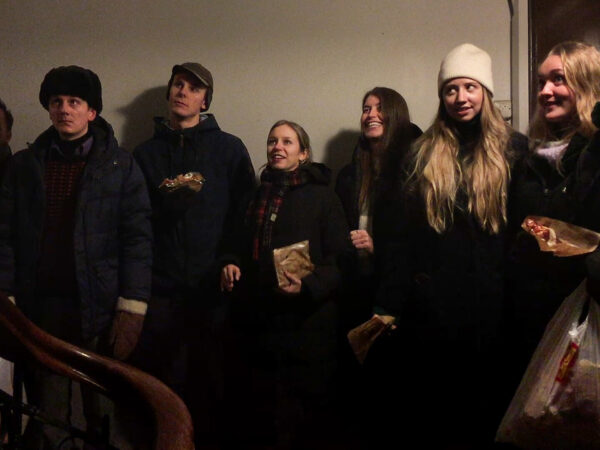
◦ Sorry I’m Late But I Brought a Choir (Dette er ikke en fest (der en en vinkveld)) by Håkon Anton Olavsen (Norway – 2024, 10’): This film stayed with me for a long time. Each time I remember it, different moments from it manage to bring a smile to my face.
◦ Montsouris Park by Guil Sela (France – 2024, 14’): In a world of shrinking attention spans, this short film manages to surprise and offer new discoveries with each attentive viewing. It’s beautiful and witty!
◦ S The Wolf by Sameh Alaa (France, Egypt – 2025, 10’): A charming short animation that could make someone stay in love with short films.
Leong Puiyee, programmer Objectifs
Singapore
◦ Through Your Eyes by Nelson Yeo (Singapore – 2025, 20’): A freewheeling, sensorial piece that collides between memory, the past and present.
◦ A Very Straight Neck (まっすぐな首) by Neo Sora (Japan, China – 2025, 11’): From enduring physical pain to being consumed by memories and entering a world that promises freedom, every moment is conveyed with impact and fervour. This short film is a true treat!
◦ Children’s Day (愿妳幸福) by Giselle Lin (Singapore – 2025, 20’): This coming-of-age film really stayed with me. It is a bittersweet love letter to our younger selves, and a tender reassurance that we will be alright in life.
© L’mina (Randa Maroufi, 2025)
Martyna Ratnik, filmmaker / curator London Short Film Festival
UK
◦ the house was there before me by Elian Mikkola (Canada – 2025, 26’): What shall we do with an inherited house that’s too big, too cold, and way too uncomfortable? Or, for that matter, the world itself? As a rule of thumb, curators are cynics beyond repair and yet, Elian’s daily exercise in taming—or, perhaps, eventually changing—the world not ours has managed to turn me into a puddle of tears.
◦ I Am Also Part of the Three Turns by Monica Maria Moraru (Romania, Canada – 2024, 15’): Monica’s film is a meticulously calculated equation that makes us zoom in on a single frame of History—an earthquake in Bucharest during Ceausescu’s communist rule—and then watch it ripple across space and time. Monica’s film is also a dance that erodes the seemingly everlasting, one gracious move at a time.
◦ In Retrospect by Daniel Asadi Faezi & Mila Zhluktenko (Germany – 2025, 14’): How do we approach a site marked by the pain of others? Daniel and Mila do so slowly, with great tenderness and care. Their moving-images here are transformed into building blocks for a memorial as fleeting as memory itself. And yet, as ephemeral as it may be, it is also the one I can’t help but come back to again and again.
Julian Ross, Head of Film Programming & Distribution Eye Filmmuseum
The Netherlands
◦ Mirage: Eigenstate by Riar Rizaldi (Indonesia – 2024, 30’)
◦ Reading Group by Wendelien van Oldenborgh (The Netherlands, USA – 2025, 27’)
◦ Mother’s Letter (母の手紙) by Sylvia Schedelbauer (Germany – 2025, 24’)
Céline Roustan, programme director Palm Springs ShortFest
France
◦ The Singers by Sam Davis (USA – 2025, 17’): This film takes you by surprise, its unexpected quality is what initially draws you in. Davis, who is also the cinematographer, invites the audience into this bar and lets us be part of this moment that captures the importance of community.
◦ L’mina (المينة) by Randa Maroufi (Morocco, France, Italy, Qatar – 2025, 26’): Maroufi uses the hybrid format to capture the coal mining community of Jerada. With her distinct style, she brings to the screen the daily lives of these men. The exceptional sound design and cinematography make the film incredibly immersive.
◦ Agapito by Arvin Belarmino & Kyla Romeo (Philippines, France – 2025, 15’): Each time I watch this film I cry. This film feels like a love letter to loved ones. From the beautiful cinematography, to the magnetic lead performance, the directing duo crafts a beautifully sensitive film where a community comes together to support one of theirs.
Arindam Sen, film curator / writer
Germany
◦ Rojo Žalia Blau by Viktoria Schmid (Austria – 2025, 10’): An ode to RGB Colour Separation, the perception of colour, and by extension, landscape, not as a given, but rather as a material construction.
◦ Elliptic by Els van Riel (Belgium – 2025, 30’): As Rudolf Arnheim would postulate, a field of vision is never exhaustible.
◦ Dedication: Bernice Hodges by Robert Beavers (USA, Germany – 2024, 4’): Memory and endearment can find many expressions in film, and portraiture can take many forms. Bernice Hodges is testament, it is a highly personal remembrance, through a fugue of traces.
Maida Srabović, filmmaker
Croatia
◦ Winter in March by Natalia Mirzoyan (Estonia, Armenia, France – 2025, 16’): This is the film that completely took over my mind after I saw it at Fantoche in Baden, Switzerland. I was so amazed with its embroidery visuals that were so wisely chosen to tell the story of people falling apart when the war happens. Although this film is made through animation, the feeling of naturalism and realism hits hard. It is one of those films you never forget.
◦ Psychonauts (Psihonauti) by Niko Radas (Croatia – 2025, 8’): “Where does my illness go after I get well?” is the question that opens this Oscar-qualified animated stop-motion short. After that, we are emerged into the world of mental disorders and a bizarre pharmacological soundtrack. What is interesting about this short is that it is the product of art therapy between director Niko Radas and his patients from the secure forensic ward at University Psychiatric Hospital Vrapče in Zagreb. What is stunning about this film is that its simple dramaturgical structure has such huge emotional impact on the viewers. And with each viewing, it gets stronger—which is, I would say, something that we filmmakers secretly wish to achieve with every film that we give ourselves into.
◦ Balconada by Iva Tokmakchieva (Bulgaria, France – 2025, 8’): Almost every frame of this animated short could be a stand-alone artistic illustration in some gallery. But when it comes to motion, it becomes an everyday fable about one boring afternoon in a building complex. Each balcony is “an eye” to someone’s life. Without any dialogue, the lives and relationships of neighbours are so well layered and portrayed just with fluid visuals. This feel-good short about boredom is one of those films that have a timeless potential and quality.
© Blue Heart (Samuel Suffren, 2025)
Jason Tan Liwag, film critic / Head of Short Film Programming QCinema / programmer Leeds International Film Festival & S-Express Philippines
Italy
◦ God is Shy (Dieu est timide) by Jocelyn Charles (France – 2025, 15’): A casual attempt to exorcise fears spirals into a waking nightmare when two animators encounter a strange passenger on a train. Wearing his love for Junji Ito on his sleeve, Jocelyn Charles’ animated existential thriller is a debut that is as bold, unhinged, and assured in its storytelling as in its form; a perfect introduction for a striking new voice in animation and horror.
◦ Little Rebels Cinema Club by Khozy Rizal (Indonesia – 2024, 17’): Buoyed by a remarkable cast of children, Little Rebels Cinema Club stands as Khozy Rizal’s most accomplished and deeply affecting work, vividly capturing the peripheral practices of cinema culture within Southeast Asia.
◦ Cucumber (Agurk) by Harald Evjan Furuholmen (Norway, Japan – 2024, 11’): Inspired by Vosot Ikeida’s real-life experiences of isolation in Japan, Nordic writer-director Harald Evjan Furuholmen delivers an ineffable, riotous story of Shintaro (Naoyuki Miyahara), a young Japanese cryptid struggling with chronic anxiety, who must summon the courage to thank his elderly neighbour for a strange, but life-changing gift. What would otherwise be a cruel picture of abject poverty in a country that often ignores its existence, Cucumber instead manages to counterbalance this through its treatment, capturing with humor the utter shame intertwined with attempts to reciprocate kindness and the cyclical nature of dehumanization. By rejecting melodrama and strict realism, Furuholmen’s embrace of absurdity gives form to “overthinking”, shaping a world where remuneration can be possible through language. A beautiful picture about being cared for without asking.
Emel-Elizabeth Tuulik, programmer Tallinn Black Nights Film Festival
Estonia
◦ Psychonauts (Psihonauti) by Niko Radas (Croatia – 2025, 8’): One of the most otherworldly and unsettling highlights of this year’s Animafest Zagreb, this stop-motion short brings mental states to life as tangible spaces, personified objects, and symbolic forms. Bold, inventive, and hauntingly eerie.
◦ Dammen by Grégoire Graesslin (France – 2025, 15’): A clear take on nature’s duality, showing how a calm daytime setting can turn unsettling after nightfall. Notable for its pacing, clever editing and visual execution–all simple, but suspenseful!
◦ First Summer (첫여름) by Heo Ga-young (South Korea – 2025, 30’): A warm yet sharp portrait of a grandmother who chooses to attend her late partner Haksu’s 49th-day memorial instead of her granddaughter’s wedding. A thoughtful take on generational trauma, cultural expectations and the many faces of ageism.
Marina Zingeli, film critic / PhD Candidate in Film Studies
Greece
◦ Noi by Neritan Zinxhiria (Greece – 2025, 15’): “Who’s the tamer and who’s the tamed?” Against the snowy mountains of Epirus, Zinxhiria reveals a reality where a boy’s grief and a horse’s instinct are two frequencies of the same life force.
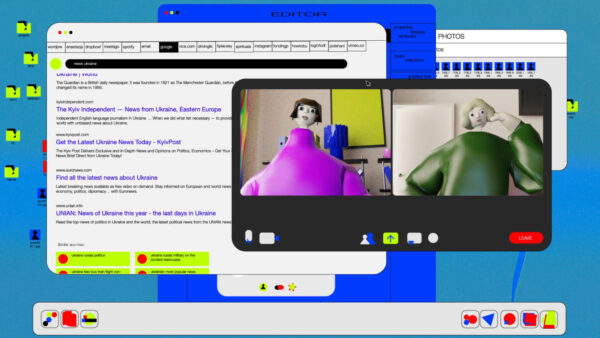
◦ Can you hear me? by Anastazja Naumenko (Poland – 2025, 15’): Great animation style and a reminder that in a long-distance mother-daughter relationship, a Zoom connection isn’t the only thing unstable.
◦ Things Hidden Since the Foundation of the World by Kevin Walker & Irene Zahariadis (Greece, USA – 2025, 26’): As Greeks from the islands/small towns know all too well: the horrors (of temporary tenancy) persist (even in the afterlife), but so do we.
Mentioned Films
L’mina
by
Randa Maroufi,
France,
Morocco,
Italy,
Qatar,
2025,
26’
Talks
Interviews
A Young Man Under the Influence
Reads
Research
The Parrot-Person in Koki, Ciao
Common Pear
by
Gregor Božič,
Slovenia,
2025,
’
looking she said I forget
by
Naomi Pacifique,
The Netherlands,
Switzerland,
2024,
24’
City of Poets
by
Sara Rajaei,
The Netherlands,
2024,
21’
Talks
Interviews
Carried Along
Talks
Interviews
Cinema of Traces
Sorry I am late (but I brought a choir)
by
Håkon Anton Olavsen,
Norway,
2024,
10’
Talks
Interviews
A Day of Magical Thinking
Can you hear me?
by
Anastazja Naumenko,
Poland,
2025,
15’